
Introduction
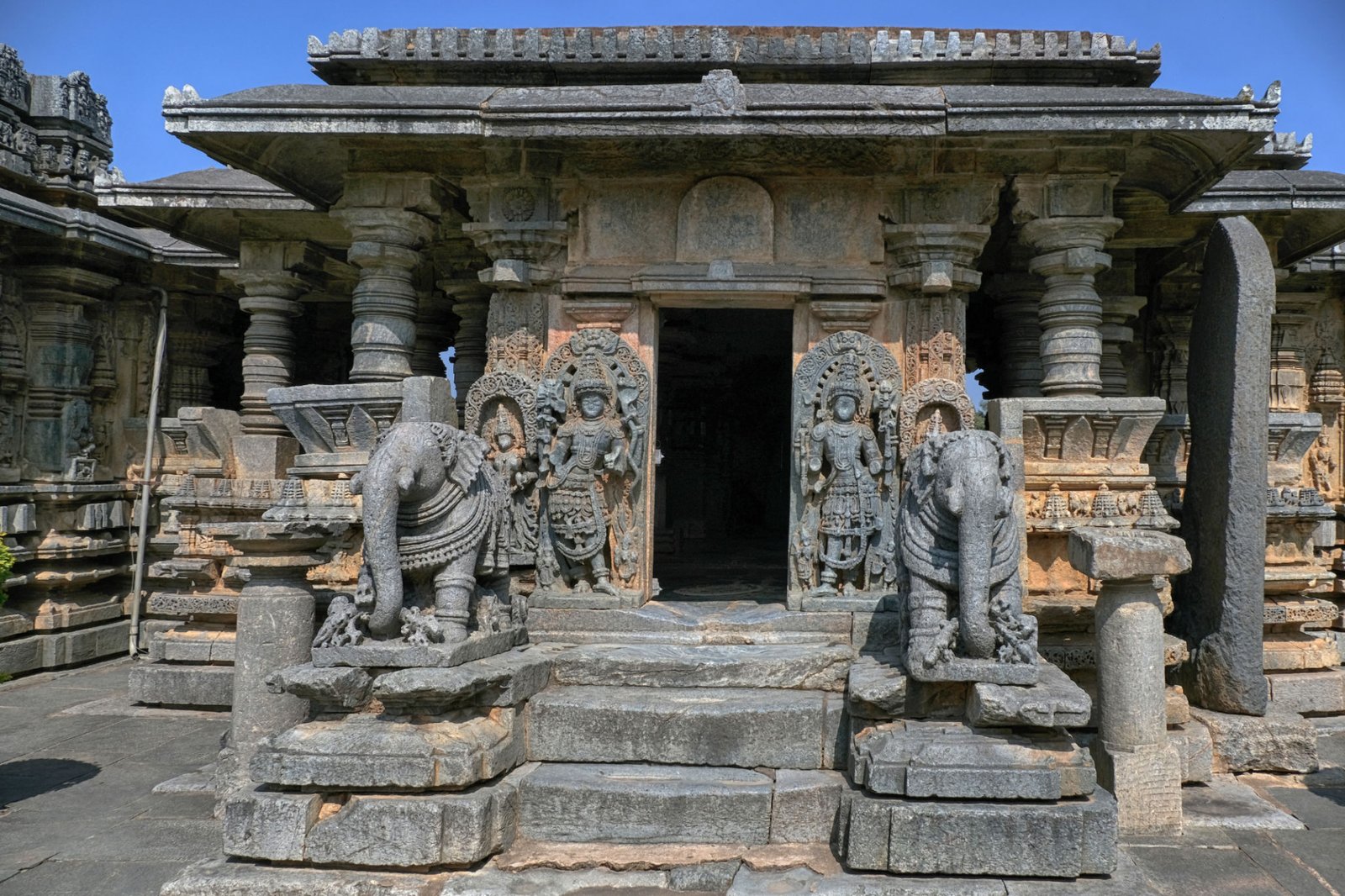
India is often described as a land of temples, and for good reason. With thousands of temples spread across its length and breadth, India offers a unique spiritual and cultural experience unlike anywhere else in the world. These temples are not just places of worship—they are living centers of art, history, philosophy, and community life.
From snow-clad Himalayan shrines to majestic stone temples of the South and vibrant coastal sanctuaries, Indian temples narrate stories that span thousands of years.
🌸 The Spiritual Significance of Temples in India
Temples in India are considered the abode of the divine. According to Hindu philosophy, a temple is a sacred space where the human and the divine connect. The temple structure itself symbolizes the cosmic universe, with the sanctum (Garbhagriha) representing the heart of creation.
Daily rituals, chants, festivals, and pilgrimages keep these spaces spiritually vibrant. For devotees, visiting a temple is not just a ritual—it is a personal journey of faith, gratitude, and inner peace.
🎉 Festivals and Living Traditions
Indian temples come alive during festivals. From Diwali and Navaratri to grand temple-specific celebrations, these events blend devotion, music, dance, and community bonding.
Temple festivals also preserve classical arts like Bharatanatyam, Carnatic music, Yakshagana, and Odissi—making temples cultural anchors for generations.
🌿 Temples as Centers of Community Life
Historically, temples functioned as:
- Centers of education
- Hubs for art and literature
- Providers of food (Annadanam)
- Social and economic institutions
Even today, many temples run schools, hospitals, and charitable kitchens, reflecting the Indian ethos of service (Seva).
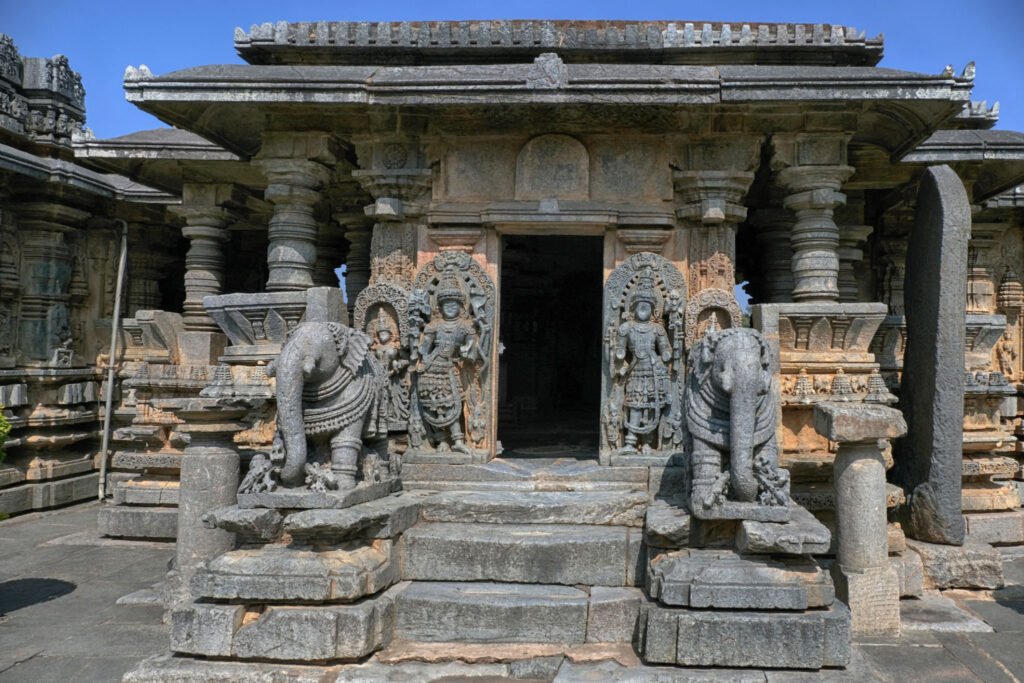
Indian temples showcase some of the most sophisticated architectural traditions in the world:
🔹 Nagara Style (North India)
- Characterized by curving towers (Shikhara)
- Found in states like Rajasthan, Uttar Pradesh, and Odisha
🔹 Dravidian Style (South India)
- Massive gateway towers (Gopurams)
- Stone carvings and temple corridors
- Common in Tamil Nadu, Karnataka, Andhra Pradesh, and Kerala
🔹 Vesara Style
- A fusion of Nagara and Dravidian styles
- Prominent in the Deccan region
Each temple is a stone manuscript, depicting epics like the Ramayana, Mahabharata, and Puranas through intricate carvings.