
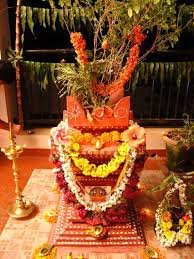
Tulasi Pooja – The Sacred Worship of Tulasi Devi
Ancient Hindu Tradition Honoring the Divine Sacred Plant Tulasi
Tulasi Pooja is one of the most sacred household traditions in Hindu culture. Worshipping the Tulasi plant is believed to bring purity, prosperity, spiritual protection, and divine blessings from Lord Vishnu and Goddess Lakshmi.
Tulasi Pooja is an ancient and highly revered Hindu tradition practiced across India, especially in South Indian households. The Tulasi plant, also known as Holy Basil, is considered the earthly manifestation of Goddess Lakshmi and deeply associated with Lord Vishnu.
Every morning and evening, devotees light lamps near the Tulasi plant, offer water, flowers, kumkum, turmeric, and perform pradakshina (circumambulation). The fragrance and spiritual vibration of Tulasi are believed to purify the surroundings and protect the home from negative energies.
During the auspicious month of Kartika, special Tulasi worship rituals are performed with great devotion. Tulasi Vivaha, the ceremonial marriage of Tulasi Devi with Lord Vishnu, symbolizes prosperity, harmony, and spiritual union.
This tradition has been passed down through generations and remains an essential spiritual practice in Hindu homes.
Region
Karnataka, Tamil Nadu, Andhra Pradesh, Maharashtra, Gujarat
Tradition Type
Daily Household Spiritual Tradition
Related Festival
Tulasi Vivaha, Kartika Masa
Related Temple
Udupi Sri Krishna Temple
Scriptural Reference
Padma Purana, Skanda Purana, Vishnu Purana
Spiritual Significance
Tulasi is considered highly sacred in Hindu dharma and is believed to be dear to Lord Vishnu. Worshipping Tulasi is said to remove sins, purify the mind, and bring spiritual merit. Devotees believe that homes with Tulasi receive divine protection and positive energy.
Scientific Relevance
Tulasi has immense medicinal value according to Ayurveda. It helps improve immunity, purifies air, reduces stress, and possesses antibacterial and antiviral properties. Scientifically, Tulasi contributes to environmental purification and health benefits.
Regional Variations
In Karnataka, Tulasi is worshipped daily with evening lamps and rangoli decorations. In Maharashtra, Tulasi Vivaha is celebrated grandly after Diwali. In Tamil Nadu, women sing devotional songs while performing Tulasi pooja. In Andhra Pradesh, Tulasi is commonly planted in the central courtyard of traditional homes.